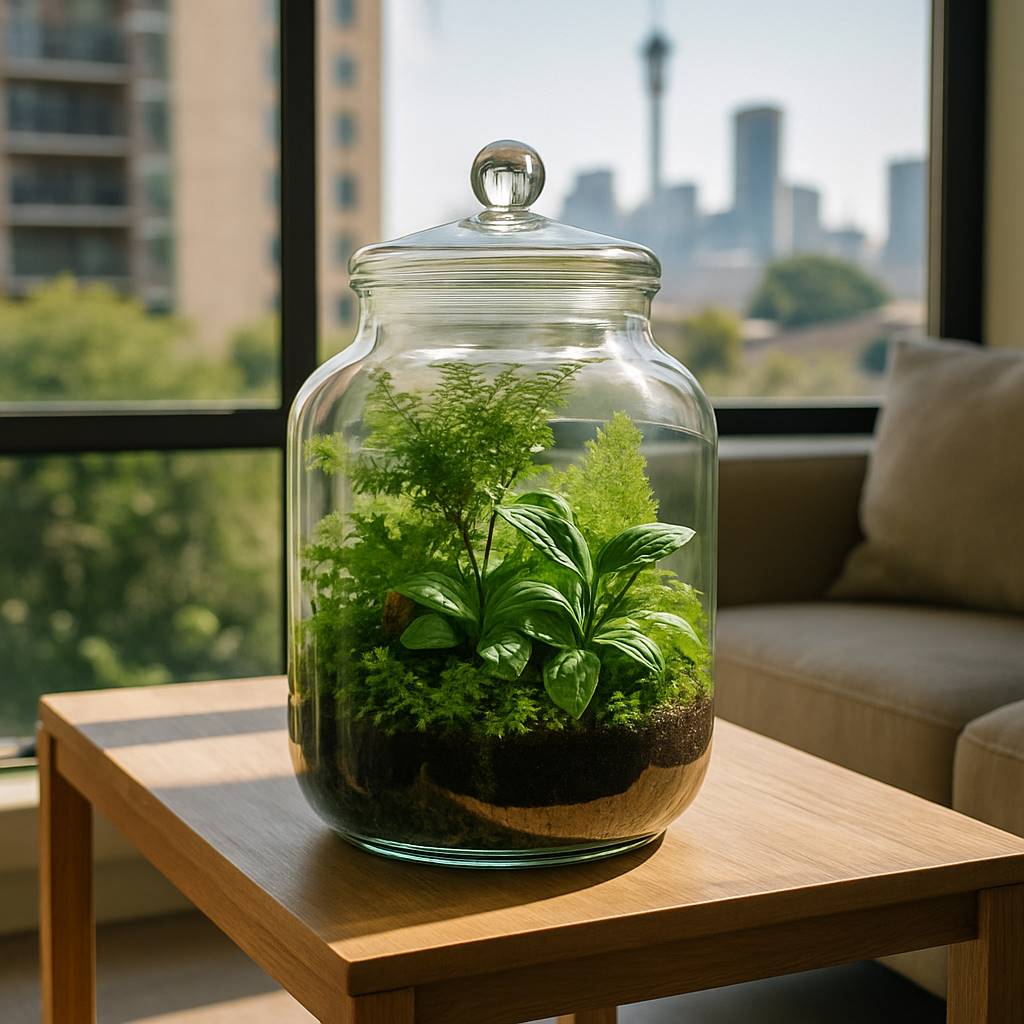
Johannesburg’s winter air is notoriously dry but not I’m sure Durbanites would agreed at the Coast — not great for keeping your tan and it’s challenging for growing indoor plants due to temperature changes and reduced humidity. However, using a terrarium can help maintain a stable environment for plants throughout the year and be a thoughtful decor piece that brings a room together.
But what is a terrarium, exactly? It is a small planted habitat with a water cycle, designed to mimic natural and the climate, a simple way to shrink the lush, humid forests and other ecosystems down to fit inside an upcycled glass bottle or other vessel. If you are exploring terrariums as decor in South Africa or simply looking to bring more natural elements into your interior spaces, terrariums apply a miniature greenhouse approach that is both beautiful and practical. By trapping moisture inside, you create a dedicated micro-climate that completely defeats the harsh Highveld dryness and offers approachable ideas for how to make a terrarium that talking piece for every party at home.
According to local horticulture experts, a closed ecosystem only needs up to 90% less maintenance than traditional potted ferns. This only tends to happen after the system has stabilised over time because the container functions as a self-watering machine. Through a botanical process called transpiration, leaves release water vapor that condenses on the cool glass and drips back into the soil like recycled weather. Because of this natural recycling, maintaining a plant terrarium Johannesburg residents can be proud of is surprisingly effortless.
While desert-style open containers work beautifully for drought-tolerant succulents, these sealed tropical versions offer the ultimate escape from our parched environment. Crafting a stunning terrarium South Africa style doesn’t require expensive imported glass or complex science. You simply need to understand how layered gravel and soil work together to keep your miniature coffee-table rainforest thriving year-round, and then apply a few beginner-friendly terrarium ideas to personalize the look.
How the ‘Recycled Rain’ Cycle Keeps Your Plants Alive Without Watering
Living through a dry Joburg winter often means watching delicate houseplants turn into crispy brown sticks. However, when we define terrarium, the true terrarium meaning is essentially a miniature, self-watering forest trapped in glass. Light acts as the engine, driving a continuous cycle that creates a self-sustaining ecosystem, allowing roots to thrive while completely ignoring the harsh Highveld air outside.
To master building a closed ecosystem, observe its internal weather system:
Evaporation & Transpiration: Plants gently “sweat” moisture from their leaves (a process called transpiration), while water also evaporates from the warm soil.
Condensation: This invisible vapor hits the cooler glass, turning back into a liquid state.
Precipitation: Plump drops form on the lid and “rain” back down.
Collection: The soil drinks up the water, starting the loop all over again.
Visualizing this recycled rain is the most practical terrarium advice for beginners. Many local terrarium guides recommend watching this cycle each morning. A healthy jar shows a light, misty fog in the morning and evening, rather than heavy, dripping streaks. While this closed loop is perfect for tropical plants, other species need a different approach, so focus on plants that thrive in a terrarium rather than forcing mismatched species.
Open vs. Closed Terrariums: Choosing the Right Shield for the Highveld
Living in a centrally heated Sandton apartment feels vastly different from a drafty, older heritage home in Parktown, and your miniature ecosystem must adapt accordingly. Coastal homes face different humidity too; a terrarium Cape Town setup may demand a touch more ventilation than a plant terrarium Johannesburg build.
When deciding on open vs closed terrariums for Highveld climate conditions, you are essentially choosing between creating a desert breeze or a tropical greenhouse to protect your plants.
This distinction prevents the most common beginner mistake: mixing moisture-loving ferns with dry-weather succulents. Here is how to match your setup to your environment:
Humidity: Closed setups lock in a humid microclimate; open setups match your room’s dry air.
Plant Types: Use low maintenance indoor succulents South Africa loves (like Echeveria) for open glass; reserve humidity-craving plants for a sealed terrarium.
Species for Sealed Jars: Choose plants for a sealed terrarium that appreciate consistent humidity; reserve arid species for open bowls.
Maintenance: Closed jars need watering twice a year; open bowls require bi-weekly sprinkles.
Placement: Sealed ecosystems love stable apartment temperatures; open bowls tolerate drafty windowsills better.
Forcing a desert plant into a sealed jar guarantees root rot, as the roots will quickly suffocate and turn to mush in the trapped moisture. Managing humidity effectively means pairing your chosen glass shield with the correct botanical species.
The Best Plants for Your Glass Jar:
From Begonias to Anubias
At the nursery, it is tempting to grab whatever looks pretty, but closed ecosystems demand specific survivors. You need rainforest terrarium plants that handle the sudden chill of a Highveld winter night while remaining compact enough to avoid constant pruning. The secret to low maintenance terrarium plants lies in selecting slow-growing, humidity-loving species that will not outgrow your jar in a month. For closed terrarium plants South Africa gardeners rely on, stick to compact varieties and skip anything too vigorous.
When hunting for the best plants for mini terrariums, prioritize these reliable staples:
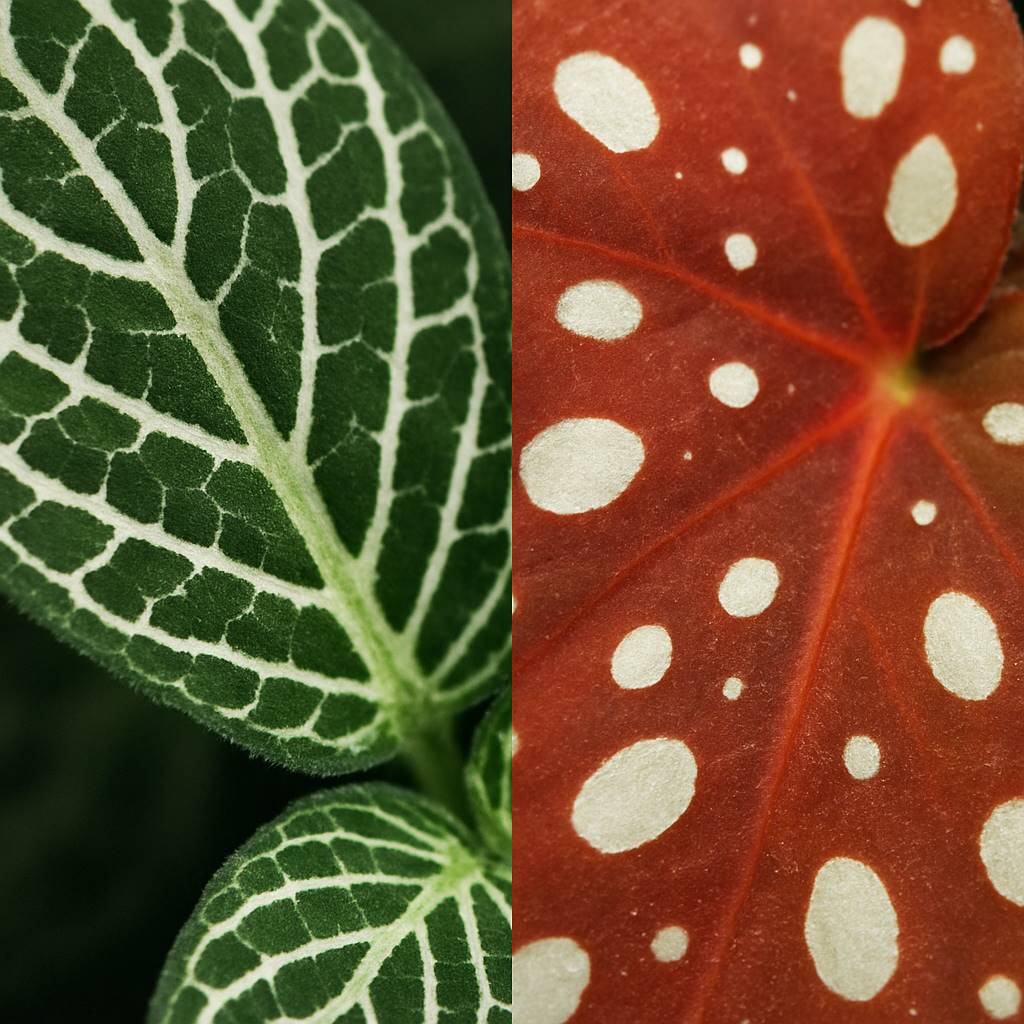
Fittonia (Nerve Plant): The ultimate beginner’s indicator. It dramatically “faints” by wilting when thirsty, signaling precisely when you need to water.
Begonia: Finding a spotted begonia for sale guarantees striking texture and vibrant color against plain green backdrops. If you buy ferns, choose true mini varieties; otherwise, they can outgrow a closed jar.
Anubias nana ‘Petite’: Typically an aquatic species, this tiny powerhouse thrives beautifully in sealed, high-moisture environments (also sold as anubias nana petite).
Peperomia: Features thick, ridged leaves that tolerate indoor apartment temperature swings perfectly.
Cushion Moss: Creates a lush, carpeted forest floor that helps retain moisture.
These selections will effortlessly survive Joburg’s bone-dry August air as long as their ecosystem remains stable. Avoid fast growing plants for terrarium displays in small jars, and focus on plants fit for terrarium life so you are not trimming weekly. However, putting the perfect plant in ordinary garden dirt quickly turns its roots to mush. To keep your miniature forest thriving, we must select and prepare the glass correctly.
Upcycling and Styling: Transforming Consol Jars into Statement Decor Pieces
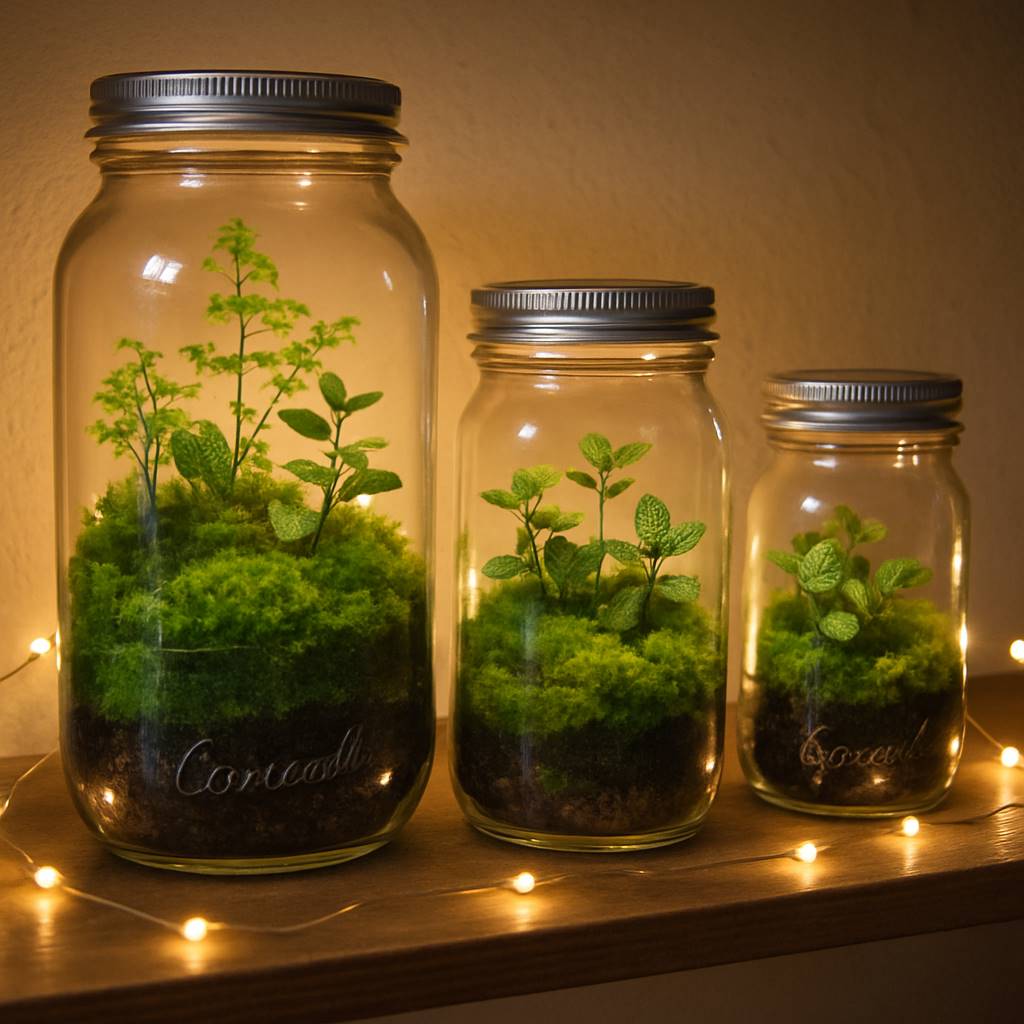
Searching for a classic glass terrarium south africa setup doesn’t require draining your wallet on imported supplies. Instead of browsing online for pricey terrariums for sale or buying pre-packaged terrarium kits south africa, look straight into your kitchen cupboards. Everyday glass containers make perfect, budget-friendly vessels for your urban forest—an approach to terrarium decor South Africa makers love because it blends natural decor with affordability.
The secret to making these jars rival expensive custom terrariums south africa lies in hardscaping—using non-living elements to establish realistic scale and proportion. Apply the “rule of thirds” by placing your tallest structural piece slightly off-center to guide the eye naturally. You can even style the surrounding shelf with a hanging air plant for a breezy, layered look. Gather these local supplies for styling your ecosystem:
DIY Decor Essentials: Upcycled Consol jars, locally foraged stones, decorative driftwood, and moss (check local Highveld nurseries with moss for sale). Where appropriate, incorporate locally grown South African plants suited to humidity. If your home is coastal, a plant terrarium Cape Town residents assemble may prioritize airflow compared with inland builds.
Maintenance Hacks: How to trim terrarium plants and Mist Without Creating a Swamp
Navigating the challenges posed by the dry winters common in the Highveld region becomes significantly more manageable when you understand how to use your glass terrarium as a sort of built-in moisture meter. One of the most effective and valuable maintenance tips available for beginners in the realm of terrarium care revolves around the concept of “reading” the condensation inside the glass. Since these enclosed environments maintain a continuous water cycle that recycles moisture, simply observing the morning fog that forms on the glass can provide you with crucial insights. A light mist on the interior glass is an ideal sign that the humidity levels are just right, while heavy droplets coursing down the sides of the glass indicate that the environment has become excessively wet, akin to a swamp. Conversely, if you notice that the walls of the terrarium are completely clear without any signs of moisture, it may be time to apply a gentle and careful spray of water.
As your terrarium plants flourish, it is inevitable that they will begin to outgrow their designated spaces within the container. When learning how to properly trim the stems of your terrarium plants, it can be highly beneficial to follow the guideline commonly referred to as the “one-inch trim.” This method helps you maintain an appropriate miniature scale for your lush greens. To encourage a more compact and bushy growth habit, be sure to snip just above a leaf node rather than making cuts further down the stem, as this will prevent the development of tall, unruly vines that could disrupt the overall aesthetics of your terrarium. Furthermore, if you happen to notice that any of the leaves on your terrarium plants are turning brown, it is crucial to remove those dying pieces immediately. This is because decaying organic matter that becomes trapped inside the closed environment can quickly lead to the onset of harmful root-rot bacteria, which can jeopardize the health of the entire plant ecosystem within your terrarium.
Another essential consideration in your terrarium care routine is the strategic placement of the glass container to prevent the growth of algae, which can be a persistent nuisance. Exposure to harsh sunlight can be detrimental, as it tends to bake the plants and triggers the formation of unsightly green slime. To combat this, always choose a location for your terrarium that receives bright but indirect light. This careful positioning not only helps to keep the plants healthy but also ensures that the natural humidity levels are regulated effectively for your indoor moss gardens. By maintaining a beautifully stable microclimate, you can create an ideal environment for your plants to thrive.
Your 3-Step Plan to a Thriving Indoor Oasis
You no longer have to watch your home decor plants surrender to the harsh Highveld winters. Because a closed glass ecosystem recycles its own moisture, you can build a miniature forest that practically waters itself. Start building your indoor oasis with three simple steps.
Your Launch Checklist:
Source a jar.
Buy ‘Gateway’ plants at the best nurseries for indoor plants in South Africa.
Set up in indirect light.
Enjoy a hands-off maintenance schedule. Your tiny green ecosystem thrives precisely because you leave it alone. For extra terrarium tips, browse local terrarium guides or ask your nursery for region-specific help on closed terrarium plants South Africa hobbyists recommend. If water features tempt you, look up paludarium advice before adding any aquatic zones. Grab an upcycled glass vessel, visit a local nursery, and capture a perpetual, humid summer right on your Joburg coffee table.
Q&A
Question: What exactly is a terrarium, and why is it ideal for Johannesburg’s dry winters?
Short answer: A terrarium is a miniature, sealed greenhouse that traps humidity to create its own “recycled rain” cycle, making it perfect for Joburg’s bone-dry air. Light drives evaporation and plant transpiration; moisture condenses on the cool glass and “rains” back into the soil, so the ecosystem effectively waters itself. Because this closed loop recycles moisture, a well-built terrarium can require up to 90% less maintenance than traditional pots and keeps humidity-loving plants happy despite the harsh Highveld climate.
Question: How do I choose between an open and a closed terrarium for South African conditions?
Short answer: Match the vessel to your environment and plant choice. Closed terrariums lock in humidity like a tropical greenhouse—best for moisture-loving plants, stable apartment temperatures, and Highveld dryness (watering roughly twice a year). Open terrariums breathe like the room’s air—better for drought-tolerant succulents, draftier spots (like older Parktown homes), and typically need light watering every two weeks. Coastal homes (e.g., Cape Town) may benefit from a bit more ventilation than inland builds. Never mix humidity lovers with arid succulents; the latter will rot in a sealed jar.
Question: Which plants work best in a closed terrarium, and what should I avoid?
Short answer: Choose compact, slow-growing, humidity-loving species that won’t outgrow the jar. Reliable picks include Fittonia (great “thirst” indicator), compact Begonias (spotted varieties add texture), Anubias nana ‘Petite’ (thrives in high moisture), Peperomia (handles indoor temperature swings), and cushion moss (for a lush forest floor). Avoid fast growers in small jars and keep succulents and other arid plants out of sealed setups—they’ll suffocate and rot in the trapped moisture.
Question: How do I layer the substrate to prevent root rot in a jar without drainage holes?
Short answer: Build a “false bottom” to catch excess water, then separate and filter the soil:
Drainage stones (pebbles/gravel) to form a water reservoir
Mesh barrier (window screen) to stop soil from sinking
Activated charcoal to absorb odors and toxins
Fluffy potting mix to anchor roots
Skip ordinary garden dirt—it turns swampy in closed containers. Use long tweezers and basic terrarium tools to place layers neatly and keep the system breathing like a natural forest floor.
Question: How do I style and maintain my terrarium so it looks great without becoming a swamp?
Short answer: For styling, upcycle Consol jars and use locally foraged stones, driftwood, and moss; apply the “rule of thirds” by setting the tallest hardscape slightly off-center. For maintenance, read the condensation: light morning/evening mist is ideal; heavy drips mean it’s too wet (air it out), and crystal-clear walls call for a gentle mist. Trim with a “one-inch” snip above a leaf node to keep growth compact, remove any browning leaves promptly, and place the jar in bright, indirect light to prevent algae. If you’re coastal, allow a touch more airflow. Considering water features? Look up paludarium guidance before adding any aquatic zones.