Ultimate guide for caring for indoor plants – tips for creating and maintaining a thriving indoor jungle plantscape
Welcome to the definitive resource for transforming your living space into a lush, vibrant sanctuary. Whether you are a budding green thumb or a seasoned botanist looking to expand your indoor Eden, this comprehensive manual serves as the ultimate guide for caring for indoor plants and tips for thriving indoor jungle greenery.
In recent years, the shift toward incorporating nature into our homes has evolved from a passing trend to a fundamental aspect of interior design and personal well-being. Today, we view our leafy companions not just as decorations, but as “lifestyle plants” that purify our air, boost our mood, and connect us to the natural world.
In this exhaustive guide, we will cover everything from foundational plant care basics and building a proper indoor plant watering schedule, to sourcing the best collector plants and understanding complex lighting needs. Let’s dive deep into the world of house plants and cultivate your dream indoor jungle.
Chapter 1: The Foundations of Indoor Plant Health
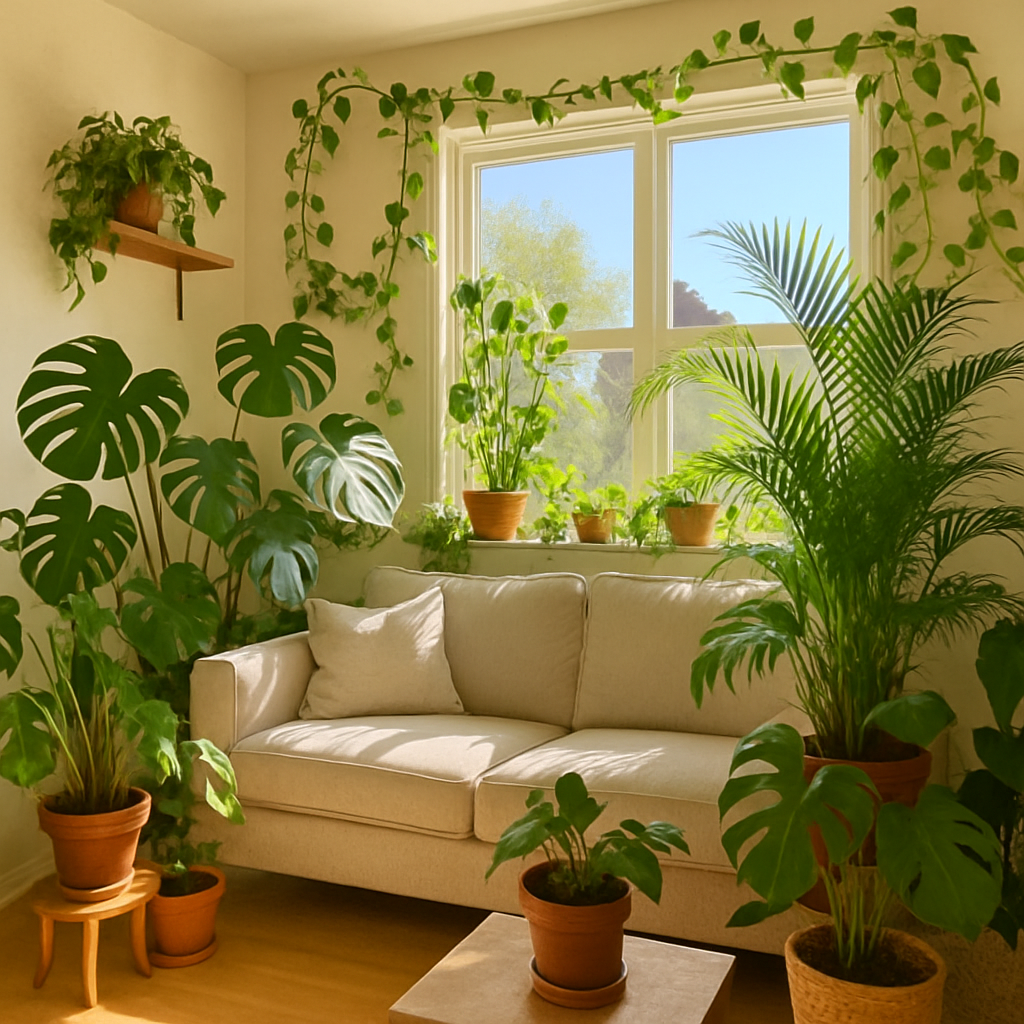
To keep an indoor houseplant thriving rather than just surviving, you must master the core pillars of horticulture: light, water, and humidity. Understanding these elements is the foundation of all houseplant care.
Decoding Light: Low Light vs Bright Indirect Light Requirements
One of the most frequent questions beginners ask is: how much sunlight do houseplants need? The answer depends entirely on the species, but understanding the terminology is the first step to success.
- Bright Indirect Light: This is the holy grail for most tropical houseplants. It means the plant is placed near a sunny window where the sun’s rays do not directly hit the leaves. You can achieve this by placing plants a few feet back from a south-facing window or by using sheer curtains to filter the light.
- Direct Sunlight: Only desert dwellers like cacti, succulents, and certain robust palms can handle prolonged exposure to direct, unfiltered sunlight. For most tropicals, direct sun will scorch their leaves.
- Low Light: No plant can survive in absolute darkness, but some are highly adaptable to dim conditions. Understanding the low light vs bright indirect light requirements of your specific species is crucial. If you are looking for low light plants south africa or other regions offer native and hybrid varieties like ZZ Plants and Snake Plants that tolerate shady corners beautifully.
The Art of Hydration: Proper Indoor Plant Watering Schedule
Overwatering is the number one killer of indoor plants. Establishing a proper indoor plant watering schedule is not about watering every Tuesday; it is about responding to the needs of the plant and the environment.
How to Water Effectively:
- The Soak and Dry Method: Water thoroughly until excess drains out the bottom of the pot, then wait until the top few inches of soil dry out completely before watering again.
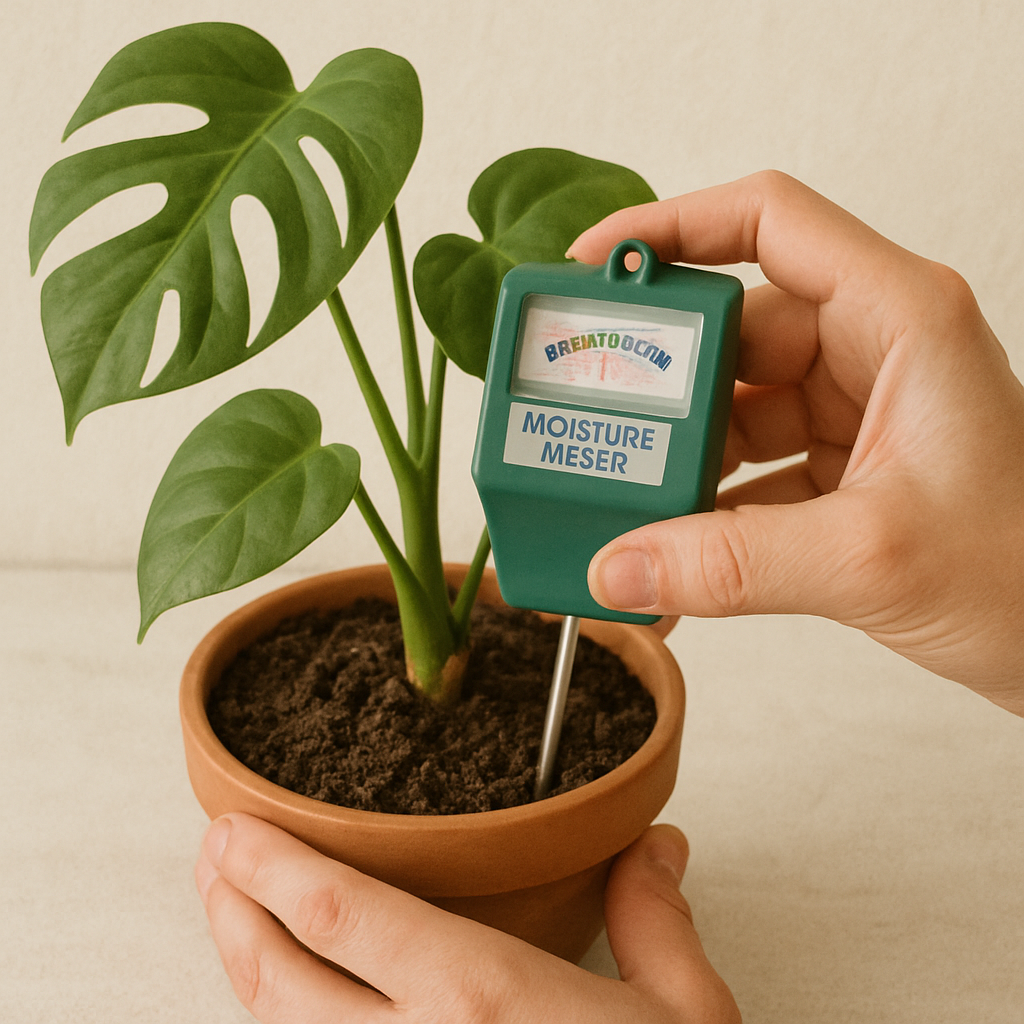
- Monitoring Soil Moisture Levels: Never guess when it comes to watering. Use a moisture meter, a wooden chopstick, or simply your finger to check the soil depth. Monitoring soil moisture levels accurately is the best way of preventing root rot in potted plants.
- Water Quality: Tap water often contains chlorine and fluoride, which can cause brown tips on sensitive plants. Let tap water sit out for 24 hours to let chemicals evaporate, or use filtered or distilled water.
Creating the Perfect Microclimate
Most of the beloved tropical plants we keep indoors originate from humid rainforests. The dry air in our modern, climate-controlled homes can lead to crispy edges and stunted growth.
Creating a Humidity Microclimate for Tropical Plants:
- Humidifiers: The most effective way to raise ambient humidity.
- Pebble Trays: Place pots on trays filled with pebbles and water. As the water evaporates, it creates a humid microclimate around the foliage.
- Grouping Plants: Plants transpire, releasing moisture into the air. Grouping humidity loving plants together creates a localized greenhouse effect.
- Terrariums: For plants requiring exceptionally high humidity, a closed glass vessel is perfect. A beautifully crafted terrarium scape traps moisture and creates a self-sustaining ecosystem.
Chapter 2: Essential Indoor Gardening Tools for Beginners
Setting up your plant care kit correctly will save you time and frustration. When engaging in regular houseplant maintenance, having the right equipment makes the process enjoyable and efficient.
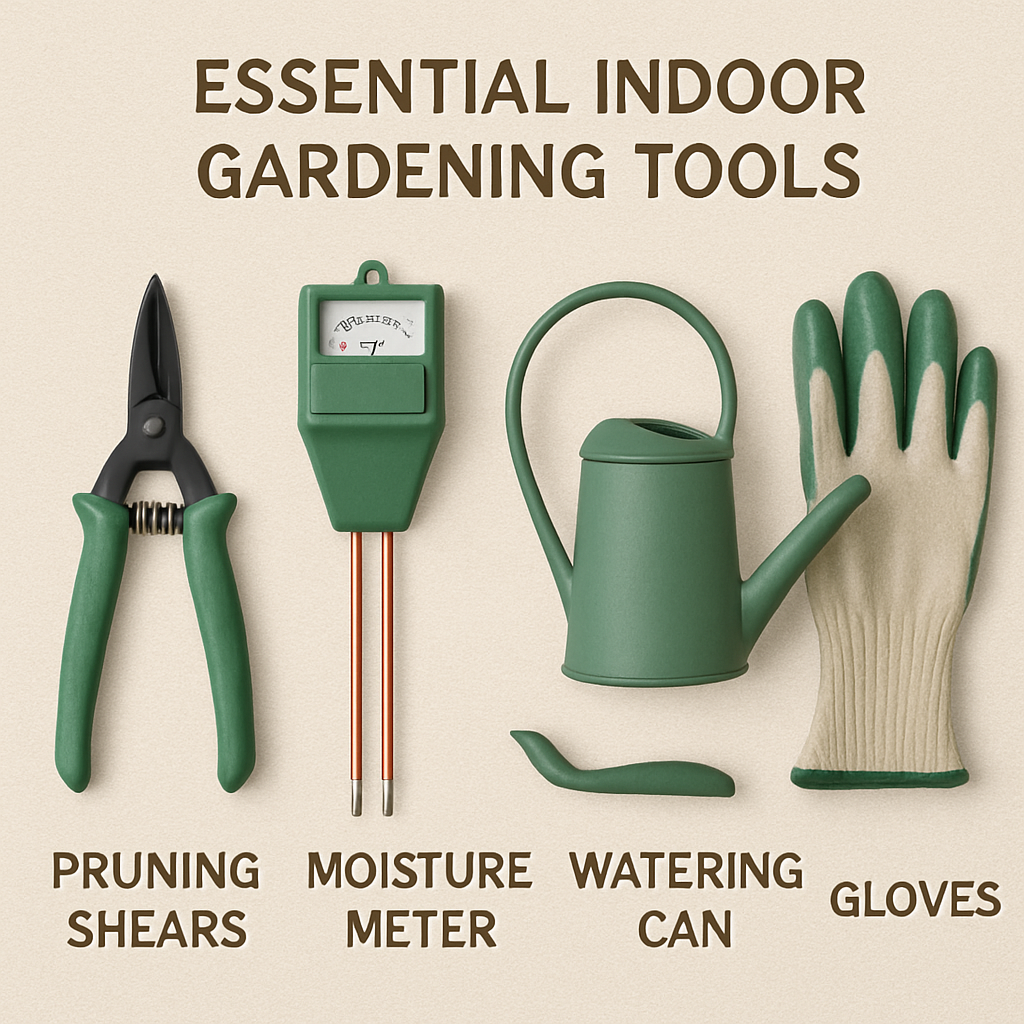
Here are the essential indoor gardening tools for beginners:
- Quality Watering Can: Choose one with a long, narrow spout. This allows you to direct water straight to the soil, avoiding the foliage (which can lead to fungal issues).
- Moisture Meter: A cheap but invaluable tool for taking the guesswork out of watering.
- Sharp, Sterilized Pruning Shears: Essential for taking cuttings, removing dead leaves, and shaping your indoor greenery.
- Neem Oil & Horticultural Soap: Your first line of defense for natural indoor plant pest control.
- Potting Tarp or Mat: Makes indoor repotting mess-free.
- Soil Scoops and Soft Brushes: For handling soil and dusting off delicate leaves.
Chapter 3: Soil, Nutrition, and Repotting
Plants confined to pots rely entirely on you for their nutritional needs. Understanding soil dynamics and fertilization is key to optimal indoor plant health.
The Benefits of Repotting Indoor Greenery
Plants outgrow their homes just like we do. The benefits of repotting indoor greenery include providing fresh nutrients, preventing root-bound stress, and improving soil aeration.
When to Repot:
- Roots are poking out of the drainage holes.
- Water runs straight through the pot without absorbing.
- The plant’s growth has stalled entirely during the growing season.
- The soil has become compacted and hard.
How to Repot Safely: Always choose a pot that is only 1-2 inches larger in diameter than the current one. Potting into a container that is too large means excess soil will hold too much moisture, increasing the risk of root rot. Gently massage the root ball to loosen old soil before placing it into fresh, well-draining potting mix.
Feeding Your Plants: Organic vs Synthetic Fertilizers for Houseplants
When considering organic vs synthetic fertilizers for houseplants, both have their merits:
- Synthetic Fertilizers: These provide an immediate, concentrated dose of specific N-P-K (Nitrogen, Phosphorus, Potassium) ratios. They are highly effective but carry a risk of chemical burn if over-applied. Always dilute synthetic fertilizers to half the recommended strength.
- Organic Fertilizers: Derived from natural sources like worm castings, fish emulsion, and kelp. They release nutrients slowly, improve soil structure, and carry almost zero risk of root burn. For sustainable, long-term houseplant care, organic is often the preferred choice.
Chapter 4: Deep Dive Plant Care Profiles
To truly succeed, you need specific plant care guides. Below, we explore in-depth profiles for some of the most popular and sought-after indoor plants.
1. Monstera Care Masterclass
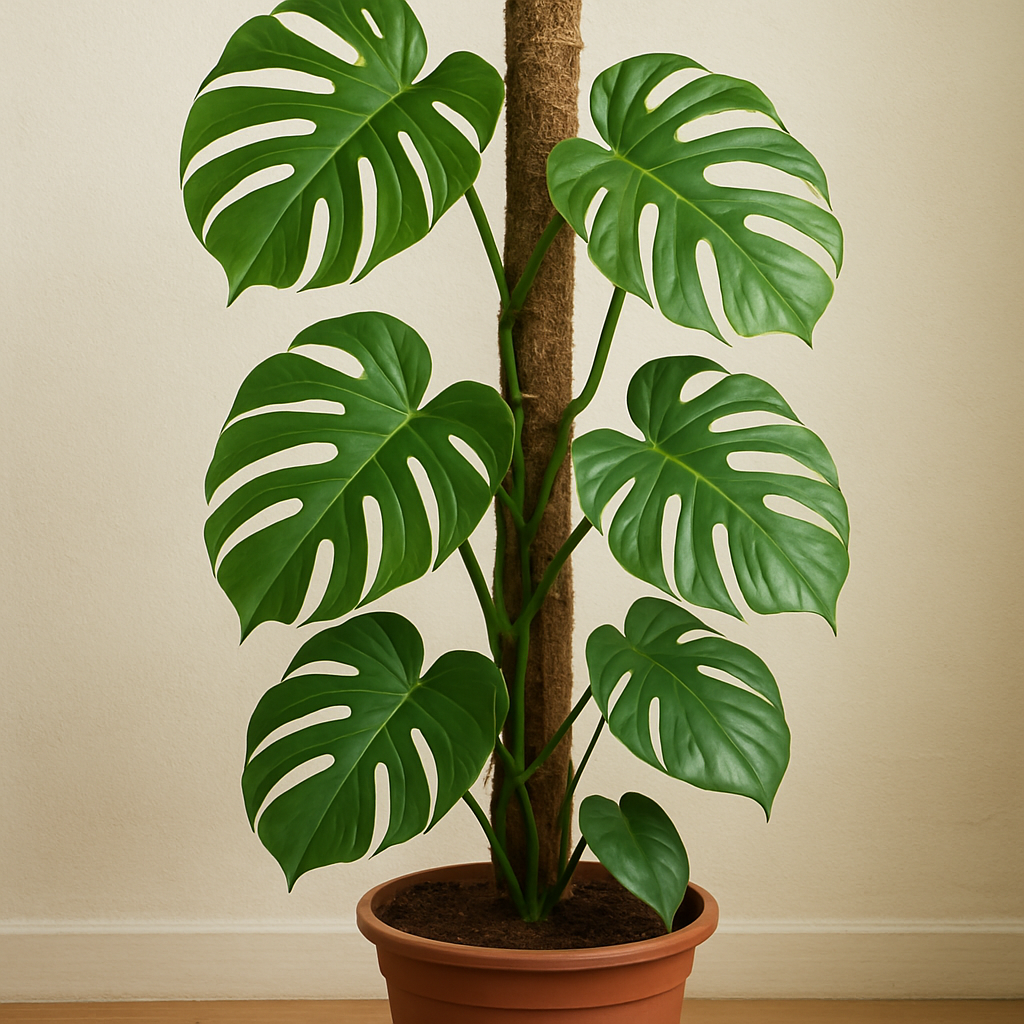
The Monstera genus, famous for its fenestrated (holey) leaves, is the poster child for the indoor jungle.
Monstera Deliciosa:
- Light: Prefers bright indirect light but can adapt to medium light.
- Water: Allow the top 2-3 inches of soil to dry out before watering.
- Support: These are climbing epiphytes. Providing a moss pole or trellis is essential for mature leaf development.
Monstera Adansonii Care: Often called the “Swiss Cheese Vine,” this smaller cousin requires slightly different care. Monstera adansonii care focuses on higher humidity and more frequent watering compared to the Deliciosa. They look spectacular in hanging baskets or trailing down bookshelves. Keep an eye out for pests like spider mites, which love their delicate, thin leaves.
2. Syngonium Care (Arrowhead Vines)
The Syngonium genus is prized for its stunning foliage variations and easygoing nature.
Syngonium Podophyllum: General syngonium care involves providing moderate to bright indirect light to maintain their vibrant variegation. They are prolific growers and benefit from regular pruning to keep them bushy.
Syngonium Podophyllum Pixie: The Syngonium podophyllum pixie is a miniature variety, perfect for desktops or terrariums. Because of their small size, their root systems are shallow. They prefer their soil to remain consistently moist (but not soggy). They are excellent small plants for compact living spaces.
3. Indoor Begonia Care
Begonias, particularly the Rex varieties, are cherished for their dramatic, colorful foliage. However, indoor begonia care requires a bit of finesse.
- Light: Bright indirect light to keep colors vivid.
- Watering: They are highly susceptible to root rot and powdery mildew. Water from the bottom (bottom-watering) to keep the foliage completely dry.
- Humidity: They demand high humidity but hate wet leaves. A humidifier is practically mandatory for a pristine indoor begonia.
4. Indoor Palm Plant Care
Palms bring an elegant, tropical architectural element to any room. Common indoor varieties include the Parlor Palm, Kentia Palm, and Areca Palm.
- Indoor palm plant care: Palms are incredibly sensitive to overwatering and poor drainage. Ensure their pots have large drainage holes. They also dislike being repotted frequently, so keep them slightly root-bound.
- Pests: Palms are magnets for spider mites. Regular showers (literally placing them in your bathroom shower and washing the fronds gently) is a great preventative measure.
5. Bird of Paradise Plant Care Indoor
The Strelitzia is a statement piece. Achieving success with bird of paradise plant care indoor revolves primarily around light.
- Light Requirements: Unlike most tropicals, this plant can handle and actually requires several hours of direct sunlight to thrive indoors. Place it right in front of your brightest window.
- Watering: During the summer growing season, they are heavy drinkers. Water thoroughly, but allow the top soil to dry out between waterings.
6. Peace Lily Care South Africa (and Beyond)
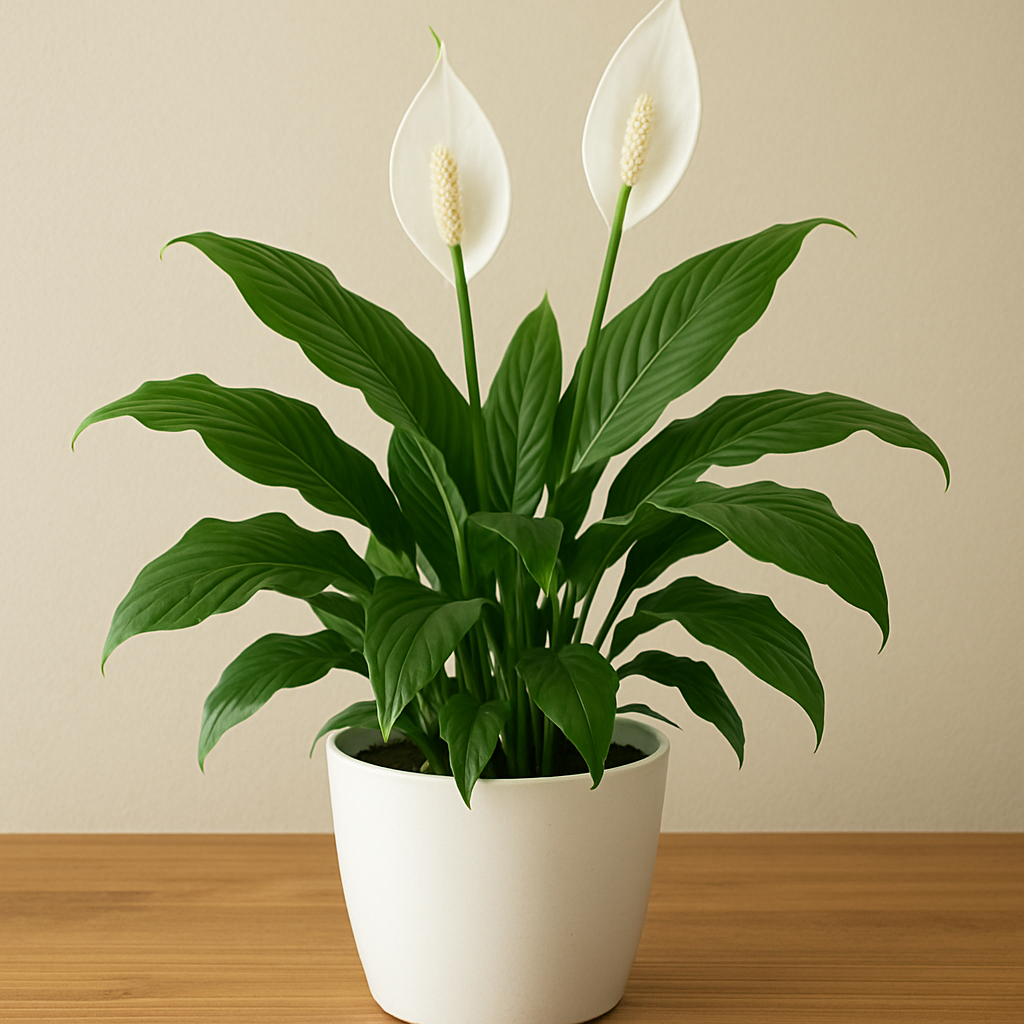
The Peace Lily (Spathiphyllum) is renowned for its elegant white spathes and excellent communication skills—it will dramatically droop when it needs water!
- Peace lilly care south africa: In warmer climates, Peace Lilies thrive indoors as long as they are kept out of hot, direct afternoon sun. They are highly adaptable to lower light conditions, making them fantastic office plants. Use filtered water to prevent brown tips on their lush green leaves.
Chapter 5: Designing the Micro-Jungle: Terrariums
If you lack the floor space for massive Monsteras, exploring a terrarium scape is a phenomenal alternative. Terrariums are miniature greenhouses, perfect for humidity loving plants like ferns, mosses, and the Syngonium podophyllum pixie.
Terrarium Plant Care Basics
- Closed vs. Open: Closed terrariums retain their own moisture and require watering maybe once every few months. Open terrariums (like desertscapes) require regular watering but are not suited for tropicals.
- The Substrate Layering: A successful terrarium requires proper drainage layers. Start with a layer of gravel or leca, add a mesh barrier, follow with horticultural charcoal (to keep it smelling fresh and filter impurities), and top with a specialized terrarium soil blend.
- Choosing Small Plants: Stick to slow-growing, moisture-loving miniatures. Fittonia (Nerve plants), small ferns, and Peperomia are ideal.
If you aren’t keen on building your own, there are wonderful artisans creating pre-made ecosystems. If you are looking for terrariums for sale south africa boasts incredible local creators who ship beautiful, established glass gardens directly to your door.
Chapter 6: Troubleshooting and Houseplant Maintenance
Even the most experienced growers encounter problems. Knowing how to diagnose and treat these issues is crucial for maintaining indoor plant health. Here is some expert indoor plant advice to navigate common pitfalls.
“Why Are My Plant Leaves Turning Yellow?”
This is the most universal cry for help in the houseplant community. “Why are my plant leaves turning yellow?” The frustrating truth is that yellowing leaves are a symptom, not a disease, and can mean several conflicting things:
- Overwatering: The most common culprit. If the yellow leaves are soft, limp, and accompanied by damp soil, your plant is drowning. Check for root rot immediately.
- Underwatering: If the yellow leaves are crispy and dry at the edges, and the soil is pulling away from the sides of the pot, your plant is parched.
- Nutrient Deficiency: If older leaves are turning pale yellow while the veins remain green, your plant might need a dose of fertilizer.
- Natural Aging: If a plant is pushing out rapid new growth and occasionally drops a single old, bottom leaf, this is completely natural.
Natural Indoor Plant Pest Control
Pests happen. When you bring nature indoors, you sometimes bring bugs. The key is catching them early.
- Spider Mites: Look for tiny webbing in the crevices of leaves. Wipe down with a mixture of water, a drop of dish soap, and neem oil.
- Fungus Gnats: These annoying little black flies breed in wet soil. To eradicate them, let the top two inches of your soil dry out completely, and water with a diluted mixture of hydrogen peroxide and water to kill the larvae.
- Mealybugs: Look for white, cotton-like masses in the joints of the plant. Dab them directly with a Q-tip soaked in rubbing alcohol.
Implementing natural indoor plant pest control is safer for your home, your pets, and the long-term resilience of your plants.
Seeking Indoor Plant Care Guidance
Sometimes, a plant’s decline is a mystery. Don’t be afraid to seek indoor plant care support. Online forums, local nurseries, and digital plant communities are wealths of knowledge. Sharing a clear photo of your plant’s issue online can yield highly specific indoor plant care guidance from seasoned collectors.
Chapter 7: Propagation – Growing Your Collection for Free
One of the most rewarding aspects of indoor gardening is propagation. Multiplying your plants is almost like magic, and it is easier than you think.
How to Propagate Indoor Plants from Cuttings
Learning how to propagate indoor plants from cuttings not only expands your indoor jungle but also provides fantastic handmade gifts for friends.
Water Propagation Method:
- Take the Cutting: Using sterile shears, cut a stem just below a “node” (the little bump on the stem where a leaf attaches, and where new roots will form). This works brilliantly for Monsteras, Pothos, and Syngoniums.
- Place in Water: Submerge the node in a glass jar of clean, room-temperature water. Ensure no leaves are sitting in the water, as they will rot.
- Provide Light: Place the jar in bright indirect light.
- Patience: Change the water weekly to keep it oxygenated. Once roots are about 2-3 inches long with secondary roots forming, it is ready to be transferred to soil.
Soil/Sphagnum Moss Propagation: For plants that don’t root easily in water (like certain Begonias), placing a leaf or stem cutting directly into damp sphagnum moss or a perlite-heavy propagation box provides the perfect high-humidity environment to encourage root growth.
Chapter 8: Sourcing Your Jungle (Focus on South Africa & General Tips)
Building a lush indoor landscape requires sourcing healthy, high-quality specimens. Whether you are hunting for common lifestyle plants or rare collector plants, knowing where to look is half the battle.
Buying Plants Online vs. In-Store
If you decide to buy plants online, look for reputable retailers who guarantee safe shipping. Online shopping is fantastic for finding rare species that local nurseries might not stock. When the package arrives, immediately unbox it, check for pests, and isolate the new plant from your main collection for 14 days (a best practice for all indoor plant tips).
Spotlight on South African Indoor Gardening
The indoor gardening community in South Africa is booming. From coastal cities to the highveld, enthusiasts are curating stunning collections.
- Cape Town: The Mediterranean climate can make indoor humidity a bit tricky during dry, windy summers. If you are looking for the best indoor plants cape town nurseries have to offer, look for drought-resilient varieties like Ficus Elastica (Rubber Plants) or ZZ plants. If you want to source houseplant cape town stores and online boutiques offer gorgeous selections. Searching for “indoor plants for sale cape town” or “indoor plants cape town” will connect you with boutique stores specializing in everything from massive Monsteras to intricate terrarium setups.
- Durban: Durban’s naturally high humidity is an absolute dream for tropical indoor plants. If you are looking for indoor plants durban based nurseries, you have the pick of the litter. Ferns, Calatheas, and Alocasias thrive here with much less effort. “Indoor plants for sale durban” searches often yield massive, lush tropicals that cost double in drier climates.
- National Options: For those living elsewhere, searching “indoor plants south africa” or “low light plants south africa” will lead to fantastic nationwide delivery services that safely ship well-rooted, healthy plants right to your doorstep.
Chapter 9: The Aesthetics: Styling Your Indoor Jungle
Caring for plants is a science; arranging them is an art. Indoor gardening tips often focus heavily on care, but the visual impact of your collection is what creates that breathtaking “indoor jungle” vibe.
Styling Tips for a Lush Indoor Jungle
- Varying Heights: Avoid the “flat” look by utilizing plant stands, stools, and shelving. A tall indoor palm plant looks majestic on the floor, while trailing vines like Pothos or Philodendrons look best cascading from high shelves or hanging macramé planters.
- Grouping by Needs: Not only does grouping plants help with creating a humidity microclimate, but visually, clusters of odd numbers (3, 5, or 7 plants) look more natural and organic than perfectly symmetrical pairings.
- Mixing Textures: Pair the large, broad leaves of a Bird of Paradise with the delicate, frilly fronds of a Boston Fern or the sharp architectural spikes of a Snake Plant.
- Decorative Planters: The pot is just as important as the plant. Invest in beautiful ceramic, terracotta, or woven baskets. Pro tip: Keep the plant in its plastic nursery pot and simply drop it into the decorative “cachepot.” This makes watering and houseplant maintenance infinitely easier.
Practical Considerations for the Home
Pet-Safe Indoor Plant Varieties If you have curious cats or dogs, safety is paramount. Many popular houseplants (like Lilies, Monsteras, and Pothos) are toxic to pets. Instead, build your jungle with pet-safe indoor plant varieties such as:
- Calatheas
- Spider Plants
- Boston Ferns
- Peperomias
- Parlor Palms
Best Indoor Plants for Air Purification While the famous NASA clean air study is often slightly exaggerated regarding how many plants you need to purify a home, plants definitely contribute to better indoor air quality by absorbing VOCs and releasing fresh oxygen. The best indoor plants for air purification include the Snake Plant (which uniquely releases oxygen at night, making it perfect for bedrooms), the Spider Plant, the Peace Lily, and the robust Ficus Elastica.
Chapter 10: Seasonal Plant Care Guide
A true plant care guide must acknowledge that indoor conditions change with the seasons. Your plant care basics will need tweaking as the weather turns.
Spring and Summer (The Growing Season)
- Watering: Plants are actively growing and will consume water much faster. You will need to increase your watering frequency.
- Feeding: This is the time to utilize your chosen organic vs synthetic fertilizers for houseplants. Feed every 2-4 weeks to fuel their growth.
- Pruning & Repotting: Early spring is the best time to repot root-bound plants or take cuttings for propagation.
Autumn and Winter (The Dormant Season)
- Watering: Growth slows down dramatically. Reduce watering significantly. What was a once-a-week chore might become a once-a-month task. Always rely on monitoring soil moisture levels before watering.
- Feeding: Stop fertilizing completely. Feeding a dormant plant can lead to toxic salt buildup in the soil.
- Light: As the sun sits lower in the sky and days get shorter, you may need to move your plants closer to windows to ensure they still meet their bright indirect light requirements.
- Heating: Keep plants away from heaters, radiators, and fireplaces. The hot, dry drafts will instantly crisp the leaves of humidity loving plants.
Frequently Asked Questions (FAQ)
To round out this ultimate guide, let’s address some rapid-fire indoor plant tips and frequently asked questions:
1. How do I clean my plant’s leaves? Dust accumulates on indoor leaves, blocking their ability to photosynthesize. Gently wipe them down with a damp microfiber cloth every month. For small-leafed plants, a lukewarm shower is easiest.
2. Can I use coffee grounds to fertilize my indoor plants? While coffee grounds are great for outdoor compost, they can cause mold and fungal issues when applied directly to indoor potted soil. Stick to formulated houseplant fertilizers.
3. What is a “Collector Plant”? Collector plants are rare, unusual, or highly sought-after species and mutations. Examples include the Monstera deliciosa ‘Albo Borsigiana’ or rare Anthuriums. They often require specialized environments (like indoor greenhouses or grow tents) and dedicated indoor plant care support to thrive.
4. Why is my newly bought plant dropping leaves? When you bring a new plant home from a nursery or after you buy plants online, it goes through an adjustment period. Moving from a perfect, high-humidity greenhouse to a standard living room is a shock. Provide consistent care, avoid moving it around, and give it a few weeks to acclimatize.
Conclusion
Creating a thriving indoor jungle is a deeply rewarding journey. By mastering the plant care basics—understanding light requirements, establishing a proper indoor plant watering schedule, and maintaining healthy soil—you lay the groundwork for incredible growth. Whether you are nurturing a tiny Syngonium podophyllum pixie in a glass terrarium scape or cultivating a massive Monstera in your living room, the key is patience and observation.
Remember that indoor gardening is not about achieving perfection. Leaves will turn yellow, pests will occasionally appear, and sometimes a plant just won’t make it. Use these moments as learning opportunities. Armed with the right essential indoor gardening tools for beginners, a touch of natural indoor plant pest control, and the willingness to seek indoor plant advice when needed, you are well on your way to transforming your home into a verdant, living oasis. Happy growing!