Meta title: Best Terrarium Plants: Beginner Guide, Ideas and Care
Meta description: Discover the top 10 terrarium plants perfect for beginners! From low light options to vibrant tropical varieties, create your own indoor oasis effortlessly.
Best Terrarium Plants: Beginner Guide, Ideas and Care
Essential Checklist Scheduler
Daily TasksEvery day, it is important to establish a routine that helps you stay organized and ensures that all of your essential tasks are completed. Here are the specific tasks you might include in your daily checklist: review your calendar for any upcoming events or appointments, make a list of priority items that need to be accomplished throughout the day, check your emails and respond to any important messages, and take some time to reflect on your goals. Completing these daily tasks will help set the tone for a productive day.
Weekly TasksAs the week progresses, it becomes beneficial to set aside time to review your accomplishments and plan for the week ahead. Your weekly checklist should include tasks such as evaluating your weekly goals, organizing your workspace, scheduling time for self-care, and ensuring that all weekly appointments are confirmed. Additionally, consider allocating time to catch up on any reading or projects that have been put on hold. This structured approach allows you to maintain progress over time.
Monthly TasksOn a monthly basis, it is essential to take a deeper dive into your goals and assess your progress. A well-structured monthly checklist may involve tasks such as reviewing your financial standing, updating your goals for the upcoming month, organizing important documents, and setting aside time for personal development, such as pursuing a new hobby or skill. Make sure to schedule a review of your monthly accomplishments to celebrate your successes and identify areas needing improvement. This monthly reflection will guide your future actions and ensure continuous growth.
Longer-Term TasksIn addition to daily, weekly, and monthly tasks, there are also longer-term objectives that should be incorporated into your planning routine. A longer-term checklist might include setting goals for the next quarter or year, engaging in professional development opportunities, planning for significant life events or milestones, and regularly reviewing and updating your long-term goals. This proactive approach is crucial, as it allows you to maintain focus on what you want to achieve in the future while systematically addressing the steps needed to get there. By taking time to consider your long-term objectives, you can steer your efforts in a way that aligns with your aspirations and values.
Here are the key steps and planting tips that can help your terrarium plants live longer.
- Drainage Layer: Glass containers have no holes for water to escape. Start with 1 to 2 inches of gravel or small pebbles at the bottom.
- Filtration Layer: Next, add a thin layer of activated charcoal. This filters the water and helps remove bad smells and impurities. It also prevents root rot in closed spaces.
- Soil: Use the right soil. For closed, humid setups, choose a light, well-draining mix. For open succulent bowls, use a sandy, gritty mix.
- Ground Cover: Choose between moss and succulents for the bottom based on your container. Moss does well in closed, humid glass. Succulents need open and dry areas.
- Aesthetic: When arranging your plants, consider their texture and color. Mixing broad-leaf plants with fine, feathery ferns can add nice contrast.
Here are the essential steps and planting instructions that we adhere to when it comes to planting. These guidelines help ensure that the process is carried out effectively and successfully, allowing for healthy growth and development of the plants. Following these steps closely can lead to better outcomes in the gardening experience. Let’s take a closer look at each of these important steps to understand how to plant properly.
Creating a successful ecosystem involves the right setup. At the Bottled Garden, this process is mainly handled by our experts, but it is tailored specifically to your requirements. Our terrariums cater to those seeking a more personalized option than a standard product or who aren’t quite ready for a complete DIY project as they reconnect with nature.
Choosing the vibrant colors of a Fittonia or the natural appeal of miniature ferns will certainly add life and peace to your new miniature garden.
Top 10 Terrarium Plants for Beginners
Welcome to the fascinating world of miniature gardens . If you are looking to bring a slice of lush, vibrant nature into your home or office without the hassle of daily maintenance, creating a glass-enclosed botanical ecosystem is the perfect solution. But before you start shopping for glass jars and soil, beginners often ask: what is terrarium plants , exactly? To put it simply, they are small, highly adaptable indoor plants that thrive in confined, often humid spaces.
Whether you are aiming to build a tiny desktop oasis or looking for the best terrarium plants to feature in a stunning centerpiece, this comprehensive guide will help you get started on the right foot. Let’s dig into everything you need to know to create a thriving glass garden.
Understanding Your Ecosystem: Open vs. Closed Terrariums
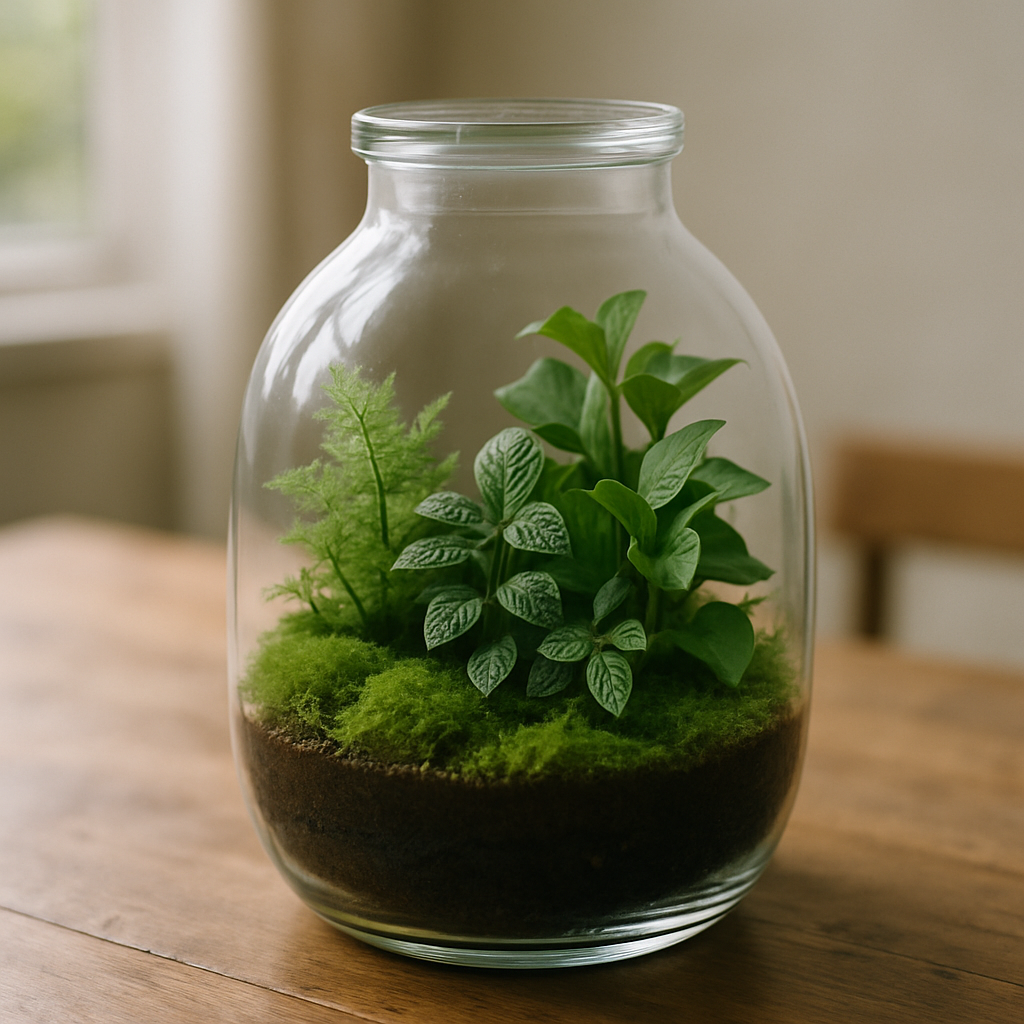
Before you make any decisions regarding the types of plants you wish to include in your terrarium, it is essential to gain a solid understanding of the requirements for both open and closed terrarium environments. This knowledge will significantly influence every choice you make moving forward, ensuring that you create a thriving miniature ecosystem that meets the needs of the plants you choose.
The Closed Terrarium
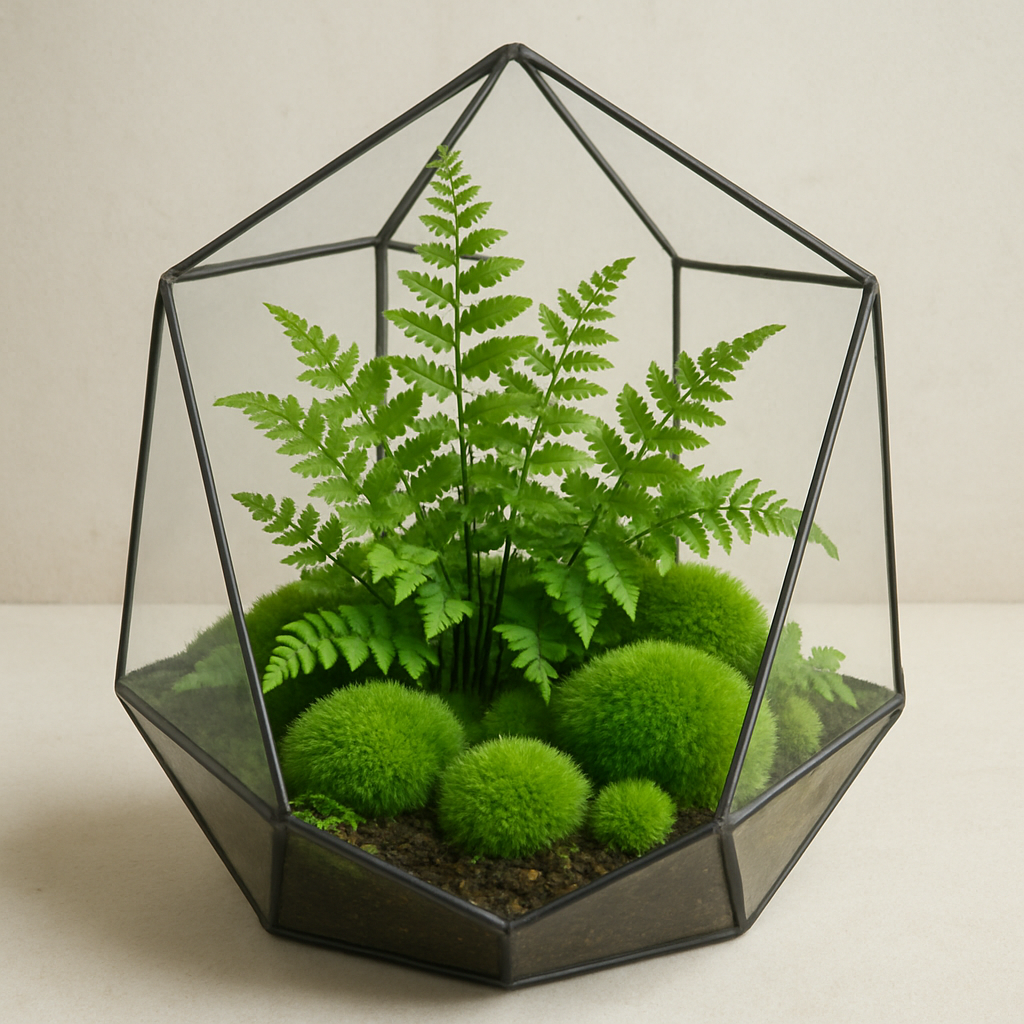
A closed terrarium is characterized by having a lid or some type of seal that allows for the creation of a self-sustaining microclimate inside. In this unique environment, moisture from the soil as well as from the leaves of the plants will evaporate, subsequently condensing on the inner surfaces of the glass. This moisture then drips back down into the soil, mimicking the natural process of rainfall. Due to the constant humidity created within this sealed system, it is crucial to understand exactly which species can survive and flourish in a closed terrarium. Focus on humidity-loving, shade-tolerant closed terrarium plants such as Fittonia, miniature ferns, mosses, and other tropical terrarium plants that are well adapted to sealed glass.
The Open Terrarium
Open terrariums differ from their closed counterparts in that they do not have a lid, which allows for the circulation of fresh air and promotes dryer conditions overall. This makes open succulent terrariums an ideal environment for plants such as succulents and cacti, which are well-adapted to drier climates. It is important to keep in mind that placing a moisture-loving fern in an open terrarium setup, such as an open bowl, will likely result in a plant that becomes crispy and dried out. Conversely, if you were to place a desert cactus in a sealed jar, the lack of suitable air circulation and humidity would quickly cause it to deteriorate and become mushy. Therefore, understanding the specific needs of each plant type is essential when determining which arrangement will work best for your terrarium.
Setting the Foundation: Preparation and Design
Establishing a successful ecosystem involves the right setup. At the Bottled Garden, this process is mainly handled by specialists and tailored to your preferences. Our terrariums are designed for individuals seeking a more personalized touch compared to standard options and who aren’t quite ready to start from scratch on their journey back to nature. Share your space, ideas, vessel preference, or the feeling you want the design to create, and we’ll guide the direction from there. Each piece is approached individually and built with care.
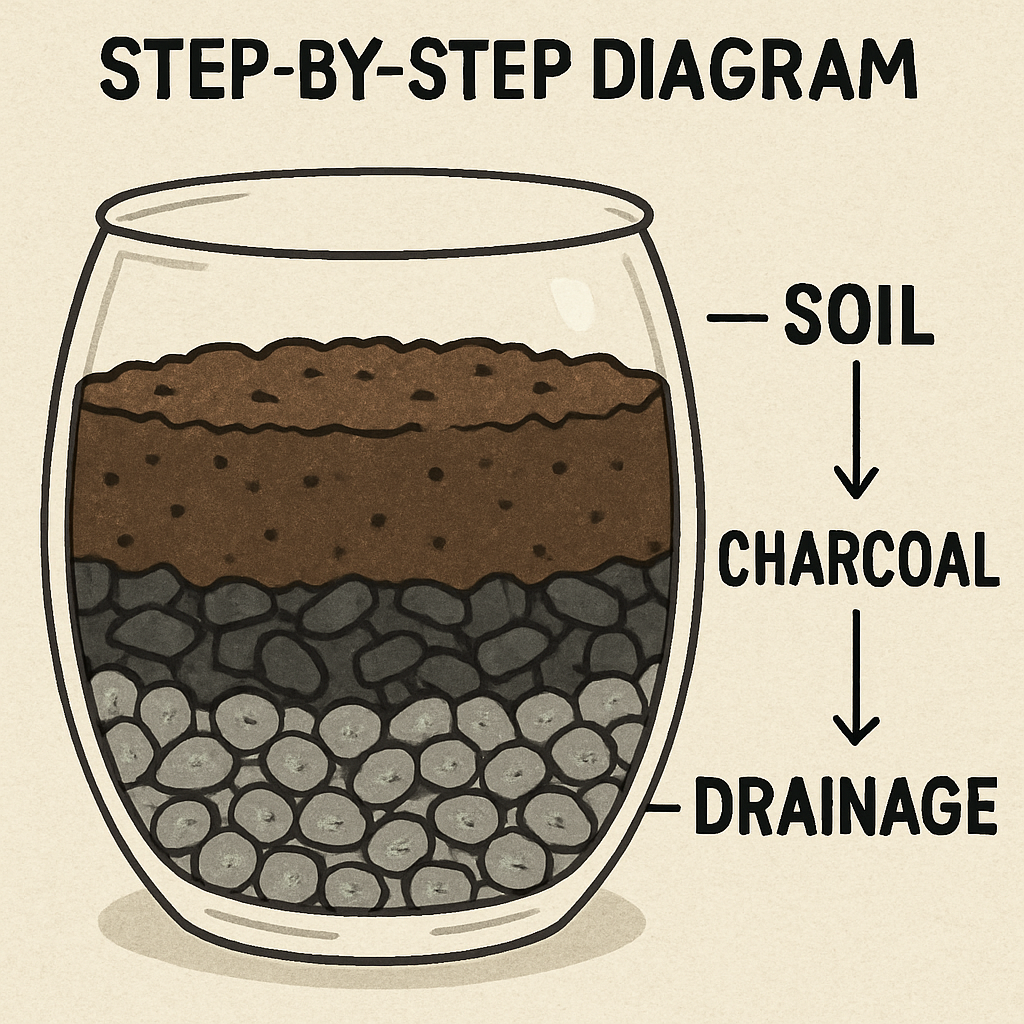
Below are the essential steps and planting instructions we follow which help ensure your plants live for years rather than weeks.
- The Drainage Layer: Glass containers do not have holes for water to escape. Start by putting 1 to 2 inches of gravel or small pebbles at the bottom.
- The Filtration Layer: Next, add a thin layer of activated charcoal. This helps filter the water, getting rid of bad smells and impurities, and it helps prevent root rot in closed spaces.
- The Soil: It is important to choose the right soil. Use a light, well-draining mix for closed, humid setups. For open succulent bowls, use a sandy, gritty mix.
- The Ground Cover: When choosing between moss and succulents for the bottom, consider your container. Moss grows well in closed, humid glass, while succulents need open and dry spaces.
- The Aesthetic: When arranging your plants, think about their texture and color. Mixing broad-leaf plants with fine, feathery ferns can create nice visual contrast.
Top 10 Terrarium Plants for Beginners
Now that your foundation is set, let’s explore the top plants suitable for terrarium cultivation. These selections include resilient low light terrarium plants as well as vibrant tropical terrarium plants that will make your miniature landscape pop.
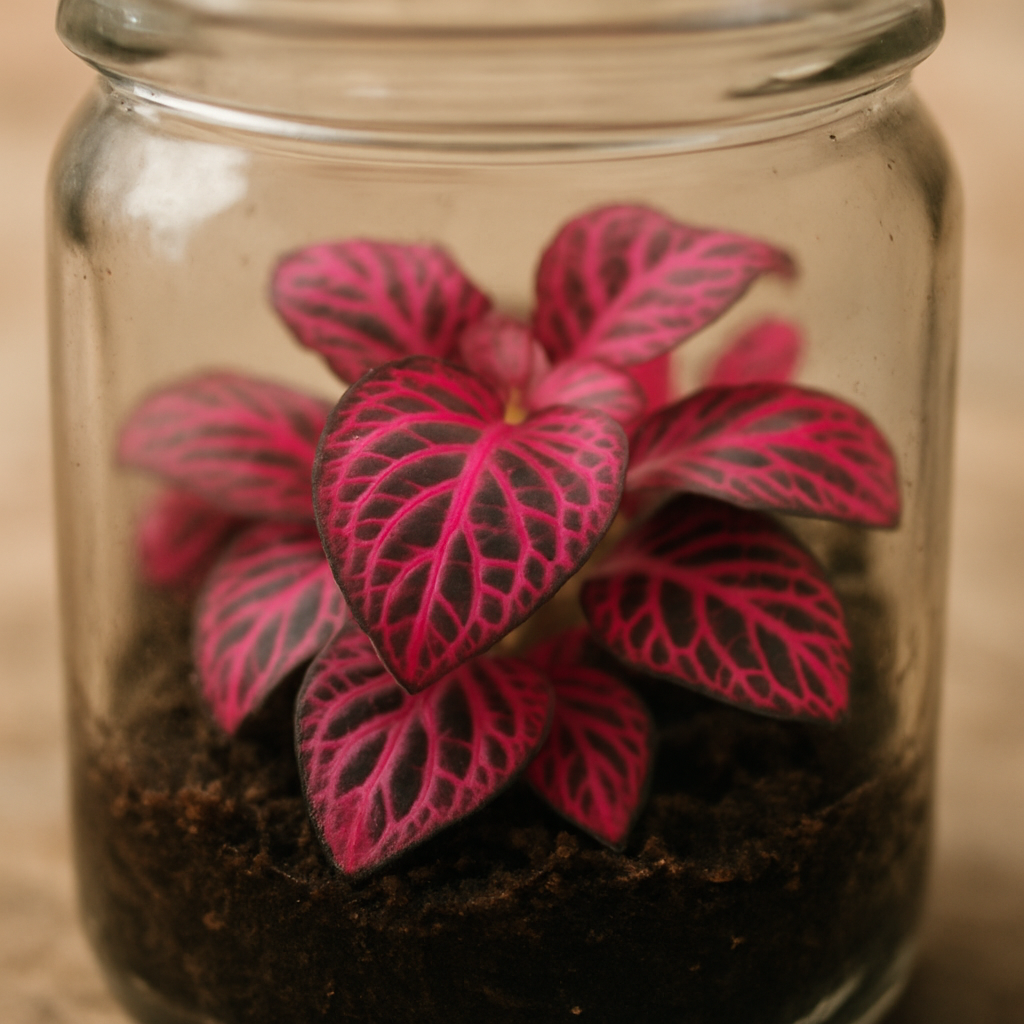
1. Fittonia (Nerve Plant)
Known for its striking, brightly colored vein patterns in pink, red, or white, Fittonia is a terrarium staple. Mastering Fittonia nerve plant care is incredibly easy in a glass enclosure because these plants crave high humidity and consistent moisture. They stay relatively compact and are fantastic low light terrarium plants, making them perfect for desks or shelves away from direct windows.
2. Polka Dot Plant (Hypoestes phyllostachya)
If you want to add a playful splash of color to your terrarium plants collection, the Polka Dot plant is a must-have. Its leaves look as though they have been splattered with pink or white paint. It thrives in the warm, humid environment of closed terrariums and requires only occasional pinching back to prevent it from growing too tall.
3. Tillandsia (Air Plants)
If you want a unique, soil-free setup, air plants are extraordinary. They absorb moisture and nutrients directly through their leaves rather than a root system. While they can survive in high humidity, they generally prefer open terrariums with good air circulation. Simply rest them on some decorative driftwood or rocks for an instant, modern aesthetic.
4. Miniature Ferns
No woodland-themed glass garden is complete without ferns. Miniature ferns for small enclosures , such as the Lemon Button Fern or the Maidenhair Fern, are ideal because they are naturally slow growing plants for glass containers. They love moisture, tolerate low light, and provide a soft, feathery texture that contrasts beautifully with broad-leaf plants.
5. Peperomia
With hundreds of varieties available, Peperomias offer incredible diversity. Whether you choose the deeply wrinkled leaves of the Peperomia caperata or the smooth, coin-like leaves of the Peperomia prostrata (String of Turtles), these plants are highly adaptable. Their semi-succulent leaves hold a bit of extra water, making them very forgiving for beginners building their first diy terrariums.
6. Pothos (Epipremnum aureum)
While Pothos is famous as a trailing houseplant, small cuttings make incredibly resilient additions to a terrarium. They are excellent low light plants for beginners and are practically fool-proof. Because they grow quickly, you will need to prune them regularly to keep them in check, but their ease of care makes the minimal maintenance well worth it.
7. Pilea Involucrata (Friendship Plant)
The Friendship Plant features deeply textured, velvety leaves with stunning bronze and green patterns. It thrives under glass where it can soak up trapped moisture. It is an excellent choice if you are experimenting with different terrarium ideas and want a plant that looks prehistoric and exotic.
8. Creeping Fig (Ficus pumila)
If you are looking for a vining plant to climb up your hardscape—like miniature rocks, branches, or a decorative background—Creeping Fig is the ultimate choice. It features tiny, heart-shaped leaves and loves the humidity of a sealed environment. It is a classic choice for creating that lush, “overgrown jungle” aesthetic in your miniature world.
9. Cryptanthus (Earth Stars)
Unlike their epiphytic bromeliad cousins that grow in trees, Earth Stars grow in soil. These terrestrial bromeliads offer stunning, star-shaped rosettes in colors ranging from deep reds and maroons to bright pinks and greens. They are fantastic tropical terrarium plants because they stay relatively flat, hugging the ground and leaving plenty of vertical space for taller plants.
10. Cushion Moss (Leucobryum glaucum)
While not a traditional upright plant, moss is the ultimate filler and ground cover. Cushion Moss creates a lush, rolling green carpet that ties your entire miniature landscape together. It is highly effective at retaining necessary soil moisture and adds a distinctly magical, forest-floor vibe to your creation.
Maintenance: Keeping Your Terrarium Thriving
Once your glass garden is planted, maintaining it is surprisingly easy, provided you follow a few basic rules.
Mastering Moisture Control
Maintaining ideal moisture levels for indoor greenery is an essential aspect of ensuring the long-term success of your terrarium. Understanding how to keep these moisture levels just right can mean the difference between a thriving indoor garden and a struggling one. If you have set up a closed terrarium, it becomes particularly important for you to learn the art of managing condensation in a bottle garden, as this will directly affect the overall health of your plants.
A healthy closed terrarium should exhibit a light, translucent fog of condensation on the glass surfaces during the early morning hours and in the evening time when the temperature begins to cool down. During the sunny hours of the day, this condensation should clear up, allowing sunlight to penetrate and nourish your plants. This cycle of condensation and evaporation is a natural process that helps maintain a balanced ecosystem within your terrarium.
Excessive Moisture
If you notice that large droplets of water are consistently trickling down the inside of the glass in your terrarium, completely blocking your ability to see the plants inside, it suggests that the environment is too damp. This excessive wetness can actually pose a risk to the health of your greenery. In such situations, it is recommended to take the lid off the terrarium and leave it open for a duration of time that can range from 12 to 24 hours. By doing this, you will allow the surplus moisture to gradually evaporate, which will help to stabilize the humidity levels within the terrarium. This, in turn, creates a more favorable environment for your plants, ensuring that they have the right conditions to flourish and remain healthy.
Insufficient Water Levels
Conversely, if you notice that there is consistently no condensation appearing on the inside of the glass of your terrarium, this could indicate that the environment is lacking adequate moisture. A dry atmosphere can adversely affect the health and growth of the plants housed within the terrarium, potentially leading to their decline and deterioration. In this case, it is advisable to gently mist the plants using a fine misting spray bottle. When doing so, it is crucial to always utilize filtered or distilled water to prevent the occurrence of unsightly hard water stains that can develop on the interior surfaces of your glass enclosure. These stains can be visually unappealing and may diminish the overall aesthetic of your terrarium, so taking care to use the right type of water is essential for maintaining its beauty.
Light Requirements
While it is true that many of the plant species mentioned earlier can adapt to and tolerate low light conditions, it is essential to understand that no plant can thrive or survive without some amount of light. Therefore, it is important to position your terrarium in an area that receives bright, indirect sunlight throughout the day. This will help ensure that your plants can photosynthesize effectively and stay healthy.
It is advisable to refrain from placing sealed glass containers, such as terrariums, in direct and intense sunlight, particularly on a south-facing windowsill. This is because the glass used in these containers can act as a magnifying lens, concentrating the heat and potentially leading to harmful conditions for your plants. Too much heat can effectively “cook” the plants inside, causing them stress or even leading to their demise. Therefore, finding the right balance of light is crucial for the well-being of your terrarium’s inhabitants.
Pruning and Upkeep
Maintaining a healthy and thriving environment for your plants, especially those growing in a limited area like a terrarium, requires a certain level of regular care and attention that should not be overlooked. To make this maintenance process easier and more efficient, it is essential to ensure that you have the right tools readily available for use. For instance, you might want to consider utilizing long aquascaping scissors or clean crafting shears, as they are perfectly suited for the task of carefully trimming back any overgrown leaves that may be crowding up against the glass walls of your terrarium. These specialized tools are designed in a way that allows you to effectively reach into the confined space of the terrarium without causing any disturbance to the other plants that are flourishing in that environment.
Moreover, it is equally important to be diligent about promptly removing any dead or decaying leaves or foliage that you might encounter during your maintenance routine. Leaving such decaying material in a humid environment can create the perfect conditions for mold growth, which can be very harmful not only to your plants but also to the overall ecosystem you are striving to maintain within your terrarium. Therefore, paying close attention to these details will help ensure a healthy and vibrant environment for your plants to thrive.
Tips on Tools & Maintenance Aids
When it comes to choosing maintenance tools, there are several options that can help you effectively manage and carry out maintenance tasks. Firstly, a reliable toolset is essential, which typically includes a variety of wrenches, screwdrivers, pliers, and socket sets. These basic tools are fundamental for repairing and adjusting various equipment and fixtures around your home or workplace.
In addition to a comprehensive toolset, consider investing in power tools such as drills, saws, and sanders, as they can significantly speed up the maintenance process and provide more precise results for larger projects. For those who often work with electrical systems, having a multimeter on hand can be incredibly helpful for diagnosing issues and ensuring safety during repairs.
Moreover, having the right safety equipment is crucial. Items such as gloves, safety goggles, and ear protection should not be overlooked, as they ensure your safety while you work. Furthermore, organization tools, like toolboxes or pegboards, can assist in keeping all your tools in one place, making it easier to find what you need when you need it.
Finally, do not forget about specialized tools that may be relevant to your specific maintenance needs. Depending on what you are maintaining, you might find that items such as lubricators, air compressors, or even plumbing snakes can be vital to your toolkit. By equipping yourself with a diverse range of tools, you will be better prepared to handle any maintenance challenge that comes your way.
Essential Checklist Scheduler
Daily –
Weekly-
Monthly-
Longer-
Conclusion
Creating a glass-enclosed ecosystem, often referred to as a terrarium, is a fulfilling and enjoyable project that beautifully combines elements of botany and interior design. By grasping the essential concepts of proper drainage, carefully selecting the suitable substrate, and determining the best terrarium plants that are well-suited to your specific lighting and humidity conditions, you can relish the beauty of a vibrant slice of nature right on your desk or table.
Regardless of whether you decide to go with the vibrant and striking colors of a Fittonia or the delicate woodland charm offered by miniature ferns, your new miniature garden is guaranteed to infuse your space with a sense of life and tranquility. For open, arid designs, consider compact species suited to succulent terrariums; for sealed builds, look to moisture-loving closed terrarium plants. So, gather all the necessary materials you will need, select your favorite types of plants, and make your purchase in preparation for the next exciting step in your journey toward nurturing and maintaining your own piece of nature.
<br />
Author: Michaela Visser (The Bottled Garden)
Q&A
Question: What’s the difference between open and closed terrariums, and how does that affect plant choice?
Short answer: Closed terrariums have a lid that traps humidity and recycles moisture, creating a self-sustaining, humid microclimate. They suit humidity-loving, shade-tolerant plants like Fittonia, miniature ferns, mosses, and other tropical species. Open terrariums allow airflow and stay drier, making them ideal for succulents and cacti. Avoid mismatches: ferns will crisp in open bowls, while desert cacti can turn mushy in sealed jars.
Question: Why are drainage and filtration layers essential in glass terrariums? What should I use?
Short answer: Glass containers lack drainage holes, so excess water can accumulate and cause rot. Start with 1–2 inches of gravel or small pebbles for a drainage layer, then add a thin layer of activated charcoal. The charcoal filters water, reduces odors and impurities, and helps prevent root rot—especially important in closed setups.
Question: Which soil and ground cover should I choose for my setup?
Short answer: Match the substrate to the environment: use a light, well-draining mix for closed, humid terrariums; use a sandy, gritty mix for open succulent bowls. For ground cover, moss thrives in closed, humid glass, while succulents need open, drier conditions.
Question: How do I manage moisture and condensation in a closed terrarium?
Short answer: Aim for a gentle fog on the glass in mornings/evenings that clears during the day. If large droplets constantly stream down and obscure the view, it’s too wet—remove the lid for 12–24 hours to vent excess moisture. If there’s no condensation at all, it’s too dry—lightly mist with filtered or distilled water to avoid hard-water stains.
Question: Where should I place my terrarium, and what routine upkeep keeps it healthy?
Short answer: Place it in bright, indirect light; avoid intense direct sun (e.g., a south-facing windowsill) because glass can magnify heat and “cook” plants. For upkeep, use long aquascaping scissors or clean crafting shears to trim leaves touching the glass, and promptly remove dead or decaying foliage to prevent mold.